

Why Victorian Houses Endure in London
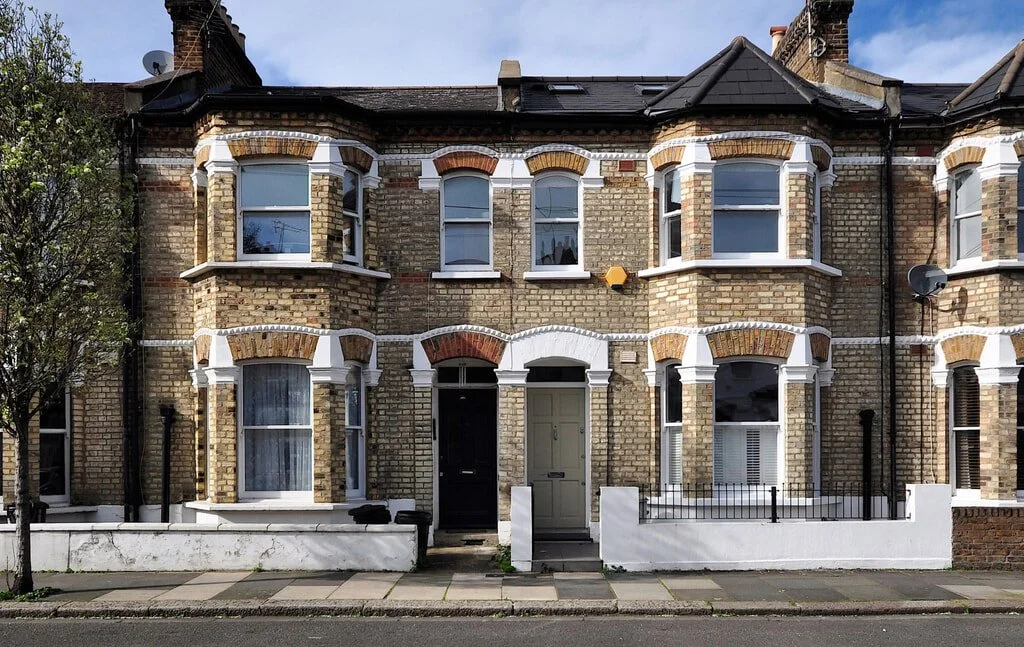
Victorian houses form the backbone of London’s residential landscape. They endure not because they are old, but because they were built with proportions, materials and rhythms that continue to suit modern life.
Walk through almost any part of London and Victorian terraces quietly dominate the streetscape. Their yellow stock brick, tall windows, slender bays and ornamental lintels create a visual rhythm that is so familiar it becomes easy to take for granted. These houses shape the character of the city, forming the backdrop to daily life in a way no other architectural era has achieved.
Yet their survival isn’t just about familiarity. Victorian homes have outlived multiple design movements, absorbed decades of renovation, adapted to changing expectations, and still manage to feel right for contemporary living. Their endurance comes from a combination of proportion, material intelligence and urban logic – qualities that were never presented as revolutionary at the time but have proved remarkably resilient.
Proportions That Still Make Sense
Victorian builders worked with narrow plots and limited street widths, so they compensated with height. The result is a domestic architecture defined by tall ceilings, deep rooms and strong vertical lines. Even the smallest houses feel unexpectedly generous because the volume lifts your gaze and expands the room psychologically.
The proportions also make Victorian homes forgiving. Knock down internal walls, and you get a sense of openness without losing structure. Add a rear or side extension, and the original geometry absorbs it gracefully. Convert the loft, and the steep roof pitches create usable space without contortion. These houses were built with an instinctive understanding of balance that makes them adaptable in a way many later homes are not.
Proportion affects mood, even if people don’t consciously realise it. A well-proportioned Victorian room feels calm, composed and quietly dignified.
Materials That Age Rather Than Expire
Victorian houses were built from materials that respond to time in ways modern materials often don’t. London stock brick mellows slowly, its colours softening into warm, mottled tones. Lime mortar flexes and breathes with the building, accommodating subtle movement rather than resisting it. Timber joists creak occasionally, but they do so with a reliability that speaks of long life rather than fragility.
There’s a tactile pleasure to these materials. A handrail shaped by decades of touch, a solid internal door that closes with a satisfying weight, a slate hearth that remains cool even in summer. Victorian houses contain surfaces that hold memory, and people respond instinctively to that sense of continuity.
Modern materials aim for sleekness and uniformity, which can look impressive at first but often lose charm as they age. Victorian materials improve with weathering, developing a softness and depth that newer buildings struggle to imitate.
How Victorian Houses Evolve With Their Owners
People often find themselves living in a Victorian house that adapts to their life in ways they didn’t expect. A couple in Highbury once bought a modest terrace as newlyweds. At first they occupied only the lower floors, using the back room as a study and the front rooms for reading and hosting. Later, they extended into the side return, turning the rear into the social centre of the house. When children arrived, the original front rooms regained their usefulness as quieter, separate spaces. Years later, a loft conversion gave them the retreat they needed once the house became lively again.
The structure absorbed every change without losing its sense of self. This is one of the Victorian home’s great strengths. It can grow without feeling stretched, and it can settle back into itself when life becomes simpler. Very few architectural styles offer this kind of long-term companionship.
Streets That Continue to Function Beautifully
Victorian houses endure collectively as well as individually. The urban planning of the period created neighbourhoods that still feel right for modern life. Streets follow coherent grids. Terraces line up in orderly sequences. The façades create a calm, rhythmic backdrop that avoids both monotony and chaos. Pavements are wide enough to feel civilised. Small front gardens soften the street while maintaining clear boundaries between public and private space.
There’s a social ease to these environments. You can walk to a corner shop, stop to talk to a neighbour, or simply enjoy the consistent architectural cadence. Victorian streets support community life in a way many modern developments struggle to replicate.
Character That Isn’t Manufactured
The charm people associate with Victorian houses wasn’t designed with charm in mind. It emerged from the necessities and technologies of the time. High ceilings improved ventilation. Bays increased daylight. Fireplaces provided heat and became natural focal points. Decorative plasterwork expressed craftsmanship rather than branding.
Because the character wasn’t contrived, it feels authentic. Authenticity creates emotional trust. People feel grounded in houses that carry honest, functional beauty rather than stylised gestures.
This authenticity also makes Victorian houses rewarding to renovate. Restoring a fireplace or reinstating cornicing doesn’t feel like an invention; it feels like a return to something that belonged.
Imperfections That Make Homes Feel Human
Victorian houses are rarely perfect, and that is part of their appeal. Floors tilt slightly. Walls lean. Timber swells and settles with the seasons. These imperfections give the buildings personality. A perfectly uniform home can feel sterile. A Victorian house feels alive.
There is something reassuring about living in a building that has already proven its strength. These houses have stood through storms, wars, changes in ownership and decades of urban growth. When you move into one, you inherit that resilience.
An Architecture That Welcomes Modern Life Without Losing Itself
Most Victorian homes in London have been updated repeatedly, yet they still retain a sense of authenticity. Even when you open up the rear, extend the kitchen, remodel the layout or introduce contemporary interiors, the underlying bones continue to speak.
It’s rare for an architectural style to accommodate so much change without feeling compromised. Victorian homes can absorb modern life without losing identity. They were built with enough generosity, flexibility and inherent logic to outlast the assumptions of their era. This is why people return to them again and again. They work. They adapt. They age well. And they continue to feel like proper homes in a city that is constantly reinventing itself.
Victorian houses don’t cling to the past. They carry it lightly, allowing space for the future to unfold within their walls.