

Heat Pumps, Boilers and Energy Rules: The New Heating Requirements for UK Homes
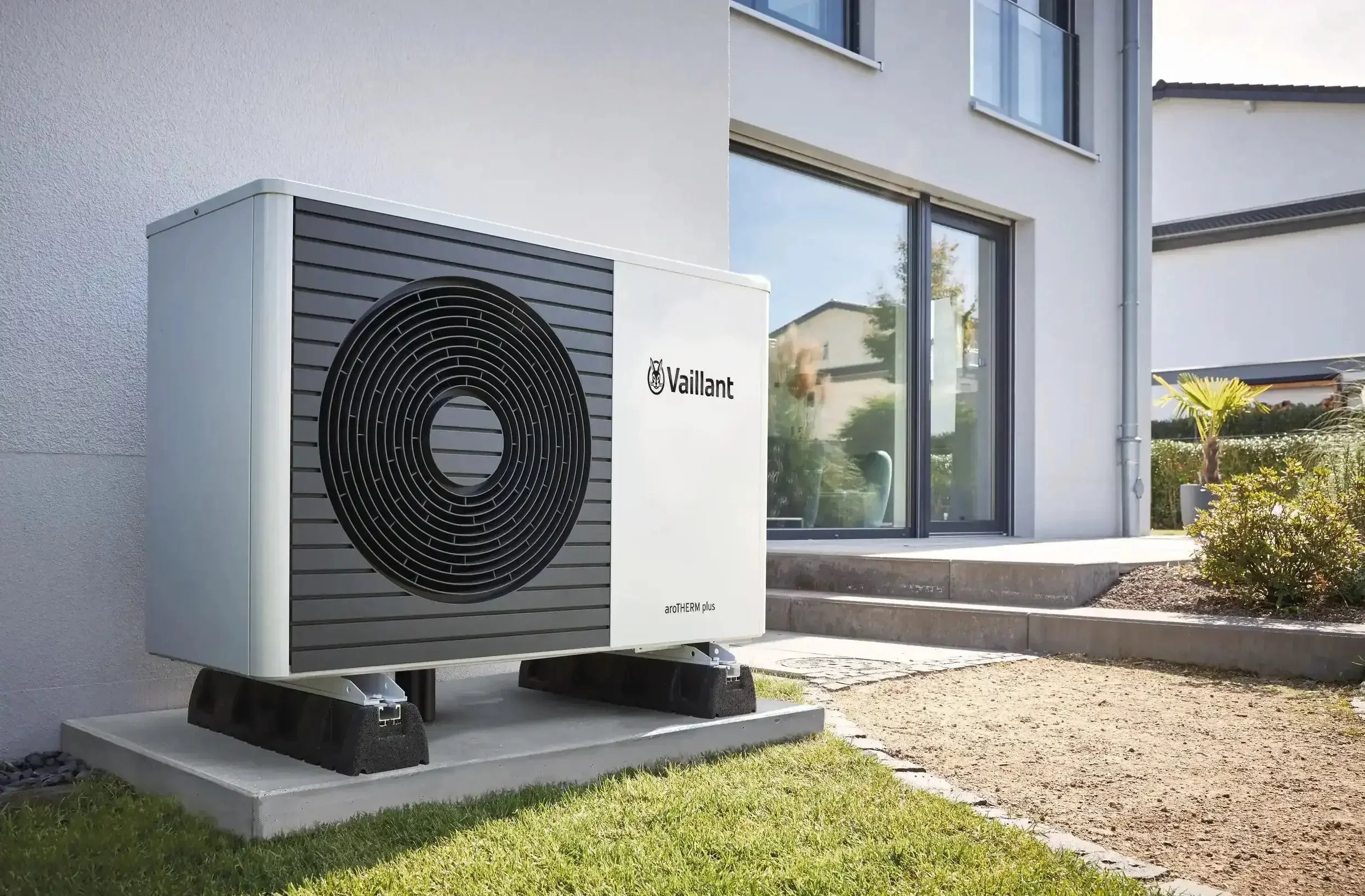
The UK’s energy rules are changing. Heat pumps are moving from alternative to expected, gas boilers are entering their twilight years, and domestic renovations must now consider heating strategy as part of design rather than a mechanical afterthought.
A Slow Transition That Feels Sudden When It Reaches Your Home
For years, heat pumps were discussed as if they were part of a distant future, something for experimental eco-homes or large new-build developments. Most homeowners assumed they could continue installing gas boilers indefinitely, upgrading them as needed. The regulatory landscape is making that assumption less secure. The shift hasn’t happened all at once, but its direction is unmistakable. Government policy, energy performance standards, the Future Homes Standard and the gradual tightening of Building Regulations have all converged to make low-carbon heating the default expectation rather than an environmental option.
Homeowners aren’t being forced to install heat pumps tomorrow, but the conversations around heating have fundamentally changed. A renovation today must acknowledge the lifespan of a heating system and the regulatory environment it will exist within. The question is no longer simply whether a boiler is efficient enough. It’s whether the home will soon be able to support something entirely different.
The Sunset of the Gas Boiler
Despite political back-and-forth on the exact dates, the broader policy arc is clear: gas boilers are being phased out. The language may shift. Deadlines may be adjusted. But the trajectory is fixed. The Future Homes Standard removes gas boilers from new homes. Energy policy is tightening around carbon emissions. Manufacturers are preparing for a market where gas is no longer dominant.
For homeowners, this doesn’t mean ripping out perfectly good boilers. It means recognising that any heating decision made during a renovation today will have implications twenty years from now. A new boiler installed in 2025 could outlive the regulatory tolerance for the system it is part of. Renovations that ignore this direction will feel dated far sooner than expected.
A heating upgrade is no longer a matter of convenience. It is a matter of alignment with a national transition.
Heat Pumps Are No Longer Niche Technology
Heat pumps have moved from experimental to expected. Their efficiency is well established. Their performance in British climates is no longer in question. The issue now is not whether they work, but whether homes are prepared to make use of them.
Heat pumps operate at lower flow temperatures than boilers, which means they rely heavily on insulation, airtightness and emitter size. A poorly insulated extension that a boiler could once overwhelm with heat cannot be rescued so easily by a low-carbon system.
This is why heat pumps now influence the design of domestic renovations even if homeowners have no immediate intention of installing one. A home that can support a heat pump in the future is more valuable, more resilient and more aligned with regulatory expectations. The design choices made during an extension today can determine whether a heat pump will be viable in ten years’ time. Heating is no longer a system that sits behind the architecture. It is part of the architecture.
The Quiet Rise of Hybrid Thinking
One of the most interesting consequences of changing energy rules is the rise of hybrid strategies. Homeowners are increasingly encountering conversations about running a boiler alongside a heat pump, upgrading emitters before upgrading the system, or improving the building fabric ahead of heating changes.
This hybrid period is a natural stage in the country’s transition. Not every home can adopt a heat pump immediately. Not every home needs to. But the way energy regulations are moving means that each renovation pushes the home closer to being heat-pump-ready, whether intentionally or not.
Homeowners sometimes view this as complexity. In reality, it is sequencing. The building must improve before the technology can change. This is not a burden. It is a logical progression that future-proofs the home.
Energy Efficiency Becomes an Architectural Constraint
As the rules tighten around energy loss, heating systems become more sensitive to the quality of the building envelope. Extensions that were once forgiven for their thermal weaknesses will face more scrutiny. Choices about glazing, wall thickness, insulation material and airtightness now interact directly with heating feasibility.
A room with excessive heat loss may technically be legal today, but it may prevent the home from adopting low-carbon heating in the future. Designers must now address this tension. The extension is no longer an isolated project but part of a long-term heating ecosystem.
This is why modern domestic design talks so frequently about U-values, cold bridges and air leakage. These are not academic concerns. They are the foundations that determine whether tomorrow’s heating systems will work.
Ventilation Is the Forgotten Half of Heating Design
As heating becomes more efficient and airtightness improves, ventilation becomes increasingly significant. Heat pumps function best in homes that manage moisture, humidity and airflow consistently. A well-insulated extension without adequate ventilation will trap humidity, create discomfort and undermine the very efficiency the new regulations aim to encourage.
The tightening of energy rules pushes ventilation from the periphery of design toward the centre. Mechanical systems that once felt unnecessary now feel reasonable. Natural ventilation strategies must be more considered. Comfort, air quality and thermal stability become part of the same conversation. If heating is the heart of the home, ventilation becomes its lungs.
Building Control Is Already Adjusting Its Expectations
Just as with the Building Safety Act, building control officers are interpreting energy rules through the lens of where regulation is going rather than where it currently stands. Homeowners will notice more questions about heat loss calculations, system compatibility, insulation continuity and ventilation strategy. This isn’t the enforcement of future rules. It’s preparation for them.
This means that designs which barely meet minimum requirements may face more scrutiny, and heating decisions that once felt routine may require broader justification. The regulatory culture now expects heating choices to make sense within the home’s long-term performance. Heating is no longer a plug-and-play decision. It is a commitment.
The Homeowner’s Role in a Changing Landscape
Most homeowners do not want to become experts in heating systems or energy standards. They shouldn’t have to. But they do benefit from understanding the direction of travel. The UK is transitioning away from fossil-fuel heating, and domestic renovations are increasingly shaped by this shift.
Heat pumps, improved insulation, airtightness, controlled ventilation and thoughtful system design are not trends. They are the new grammar of domestic architecture. A homeowner who understands this finds the renovation journey far more coherent. A homeowner who doesn’t can feel blindsided when ideas they once considered optional become quietly expected.
The rules are changing, but they are changing for a reason. Heating is no longer simply about comfort. It is about performance, resilience and the broader move towards a low-carbon future.