

Council vs Private Building Control: What Homeowners Need to Know
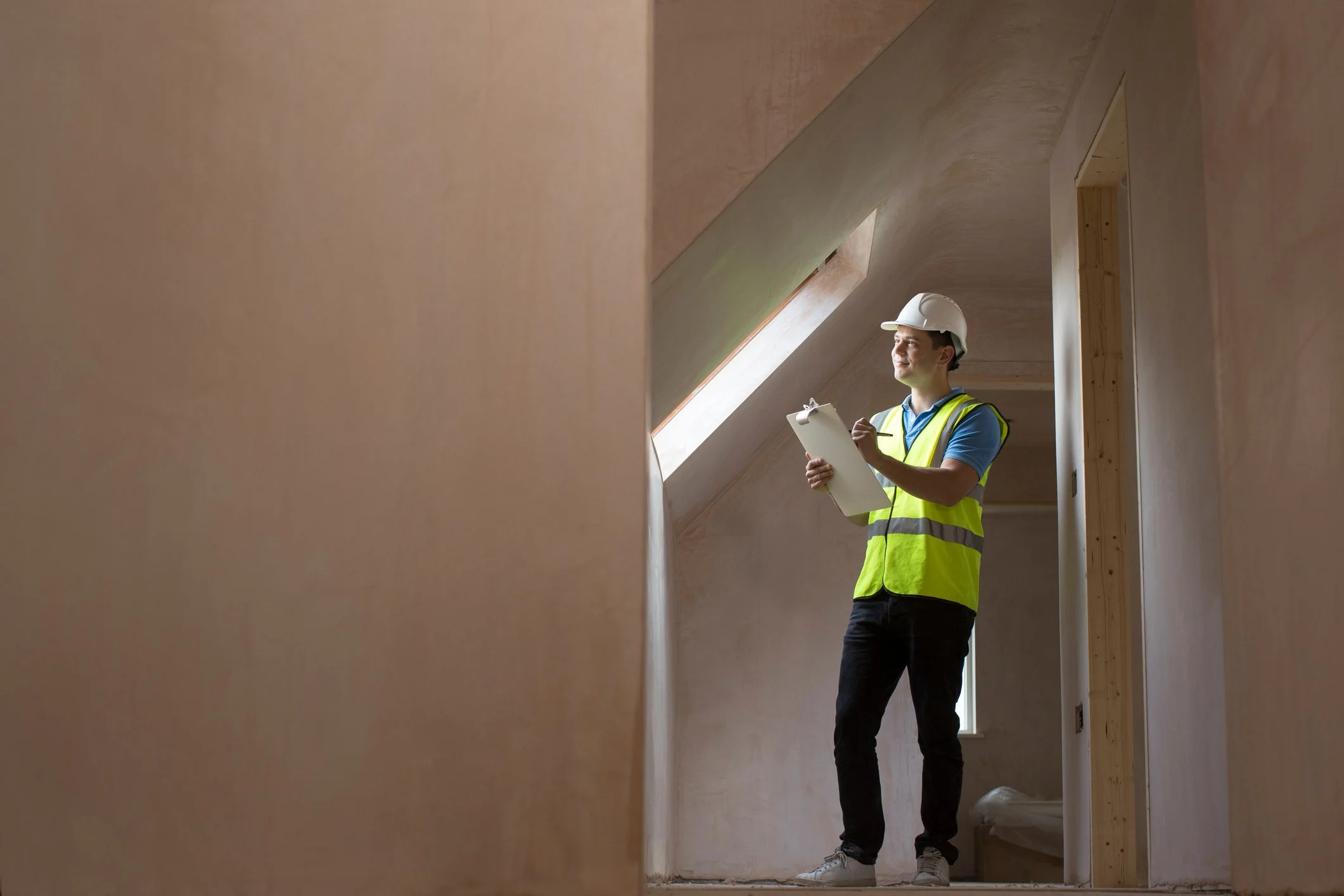
Building control is one of the least understood parts of domestic construction. Whether overseen by the local authority or a private inspector, their role is not to judge design but to ensure your home is safe, stable and compliant with national standards.
Two Paths, One Purpose
Most homeowners begin a renovation without realising that they can choose between two types of building control oversight: the local authority or a private building inspector. The difference seems simple on paper, but in reality the two bodies operate with distinct cultures, priorities and working styles. What they share is the same legal obligation. Both must ensure that the work complies with the Building Regulations.
Building control is often mistaken for a design-review body or a planning authority. It is neither. It does not decide whether a room is beautiful or whether a layout is logical. Its purpose is to assure safety, structure, fire protection, drainage, ventilation and energy performance. It exists to ensure that your home’s physical logic is sound.
Whether the person carrying out that oversight works for the council or for a private firm affects the way the process feels, not the standard you must meet.
The Local Authority: Careful, Methodical, and Risk Sensitive
Local authority building control departments carry the weight of institutional history. Their officers have traditionally taken a conservative approach, shaped by public accountability and the knowledge that they sit at the final link of a regulatory chain. They tend to emphasise caution and consistency. Their interpretations of the Building Regulations often lean toward the safer, stricter or more traditional reading of the rules.
For homeowners, this can manifest as detailed queries, requests for clarification, or requirements for more robust documentation. The local authority is not being difficult. It is being thorough. It cares deeply about precedent, about defending decisions if challenged, and about ensuring that risks are mitigated visibly and verifiably. This cautiousness can feel slow, but it stems from responsibility rather than bureaucracy.
Private Inspectors: Responsive, Technically Engaged, and Commercially Structured
Private building inspectors emerged to offer a different route, one shaped by responsiveness and technical dialogue. They often move more quickly, respond more readily to questions, and work closely with designers and contractors to solve problems. Their background is frequently grounded in engineering or technical surveying, which gives them confidence to interpret the Building Regulations through the lens of performance rather than precedent.
Yet private inspectors are not more lenient than the council. They operate under the same regulations, face the same liabilities, and must justify their decisions under the new regulatory environment created by the Building Safety Act. The difference lies in tone and method. A private inspector may suggest an alternative detail or approach that meets the regulations even if it differs from the council’s traditional interpretation. The experience can feel more collaborative, but the standard remains the same.
The Cultural Difference That Homeowners Notice Most
Homeowners often struggle to articulate the difference they feel when working with the council versus a private inspector. It typically comes down to one thing: communication culture.
Local authorities tend to communicate formally, in writing, with clear records and cautious explanations. Private inspectors communicate conversationally, often engaging with the design team more fluidly. Both approaches are valid. Both lead to compliance. But the experience feels different. Homeowners sometimes interpret this difference as strict versus relaxed, when in truth it is structured versus fluid. The choice is not between difficulty and ease. It is between two professional cultures.
Why the Building Regulations Themselves Don’t Change Between the Two
One of the most persistent misconceptions in domestic construction is the belief that private inspectors “approve things” the council wouldn’t. This is untrue. Both must apply the same statutory regulations. What differs is interpretation and evidence. Where the council may request a more conservative detail, a private inspector might accept a different solution backed by performance data or engineering logic. This is not leniency. It is confidence in alternative compliance methods.
However, both bodies now operate under a sharper regulatory lens. The era of informal approvals is over. Documentation and demonstrable competency matter more than ever. Homeowners may find that even private inspectors are more cautious than they once were. This shift is not personal. It is regulatory.
The Shadow of the Building Safety Act
The Building Safety Act changed the landscape of building control. Although its most stringent requirements apply only to high-risk buildings, its cultural influence is universal. Private inspectors now undergo a formal registration process, assessed on competency and experience. Local authorities face heightened scrutiny to ensure consistent, defendable decision-making.
For homeowners, this means one thing: both types of building control are becoming more rigorous, more methodical and more documentation-focused. The choice between them is no longer about finding the path of least resistance. It is about choosing the communication style that aligns with your project’s needs. The bar has risen for everyone.
Where Homeowners Usually Misunderstand Building Control
Many homeowners assume that building control checks everything, inspects everything, and guarantees the contractor’s quality. It does none of these things. Building control is not a clerk of works. It does not manage your contractor. It does not inspect every element of construction. It verifies key stages, reviews documentation and ensures that the work appears to comply with regulations. This is an assurance role, not a supervision role and understanding this prevents disappointment. Building control provides oversight, not certification of perfection.
The Decision That Matters More Than the Choice
Whether a homeowner chooses the council or a private inspector is less important than choosing early, communicating clearly and ensuring that drawings and specifications carry enough technical detail to support the approval process.
In the end, both bodies want the same thing: compliant, safe, well-built domestic work. They simply take different paths to get there. What homeowners feel as difference is not a difference in standard, but a difference in style.