

What Professional Project Management Really Costs in the UK
On residential projects, professional project management fees are often underestimated. While construction values vary, the complexity of decisions, coordination and risk remains broadly consistent across most refurbishments and extensions.
Professional bodies such as the Royal Institute of British Architects (RIBA) and the Royal Institution of Chartered Surveyors (RICS) do not publish fixed fee scales. Fees are agreed between client and consultant based on scope, responsibility, risk and programme length. While pricing is flexible, market norms are well established.
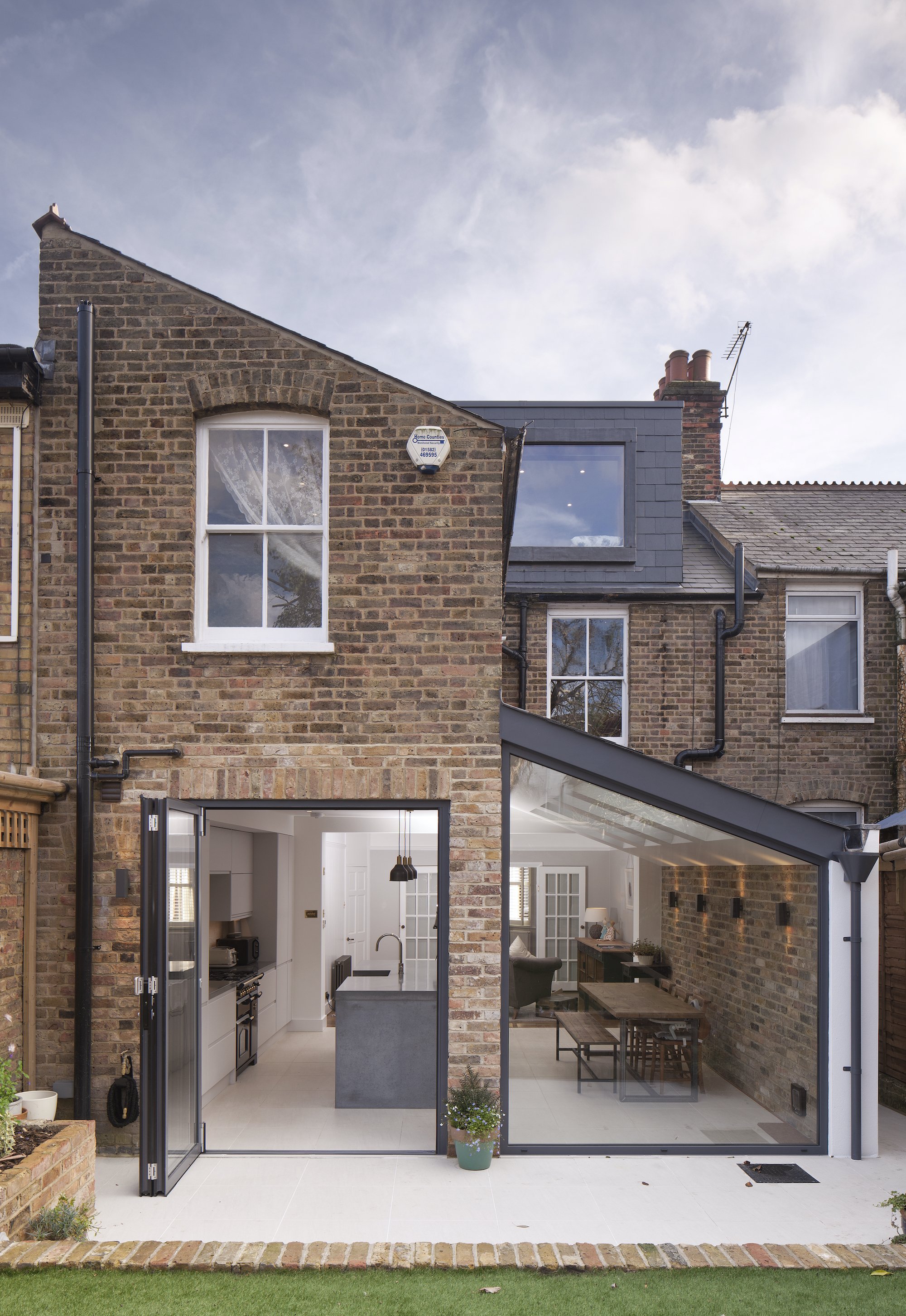
Architect fees when acting as Project Manager
Architects registered with the Architects Registration Board (ARB) and working within the RIBA Plan of Work frequently act as project managers on residential projects, particularly where design coordination and contract administration are combined.
RIBA guidance confirms that architectural fees are commonly structured as a percentage of construction cost, a lump sum, or a time charge, depending on scope.
In practical terms:
On a £50,000 project, professional fees commonly fall in the region of £3,500 to £7,500
On a £150,000 project, fees typically range from £10,000 to £22,500
On a £500,000 project, fees frequently exceed £35,000 to £60,000
These figures reflect professional judgement, coordination responsibility and risk exposure rather than physical construction work.
Independent Project Manager fees
Independent project managers appointed under RICS-recognised appointment structures usually charge on a time basis or as a fixed fee derived from time input.
RICS guidance recognises day-rate and percentage-based charging as standard approaches.
In practical terms:
Day rates typically range from £650 to £1,300, depending on seniority and complexity
Even limited involvement over a live programme can result in total fees of £6,000 to £45,000, and more where delays, redesigns or disputes occur
These fees are payable regardless of outcome.
What these fees are actually paying for
RIBA and RICS both emphasise that the core value of professional project management lies in judgement rather than administration.
Specifically, in understanding when decisions should be made, what information is required before committing, and how risk moves through a project as it progresses.
Most residential projects do not overrun because nobody was managing them. They overrun because decisions were taken too late, information was incomplete, or responsibility was misunderstood.
These are decision-making failures, not construction failures.
Professional Project Management vs the Construction Playbook
| Professional Project Manager | Construction Playbook | |
|---|---|---|
| Typical cost | £6,000 to £60,000+ | A fraction of one percent of build cost |
| Charging method | Percentage or day rate | One-off digital purchase |
| Availability | Limited to paid time | Always accessible |
| Core value | Experience and judgement | Professional decision framework |
| Prevents common mistakes | Often | Explicitly |
| Replaces consultants or contractors | No | No |
Why the Construction Playbook exists
The Construction Playbook does not replace architects, surveyors or contractors. It removes uncertainty from the client side of the project. It gives homeowners the same sequencing logic, decision checkpoints and risk awareness that professionals apply under RIBA and RICS standards.
If it helps you avoid one redesign, one unsuitable appointment, one premature/delayed instruction or one poorly timed commitment, it has already paid for itself.
On smaller projects in particular, the margin for error is tight. That is precisely where structure matters most.
Run your project with the same logic professionals use
Most homeowners do not need to employ a full-time project manager. They need to understand how professionals sequence decisions, control risk and avoid premature commitments.
The Construction Playbook explains that logic clearly, so you can apply it to your own project, at your own pace.