

Why Renovation Delays Happen Even When Everyone Is Trying Their Best
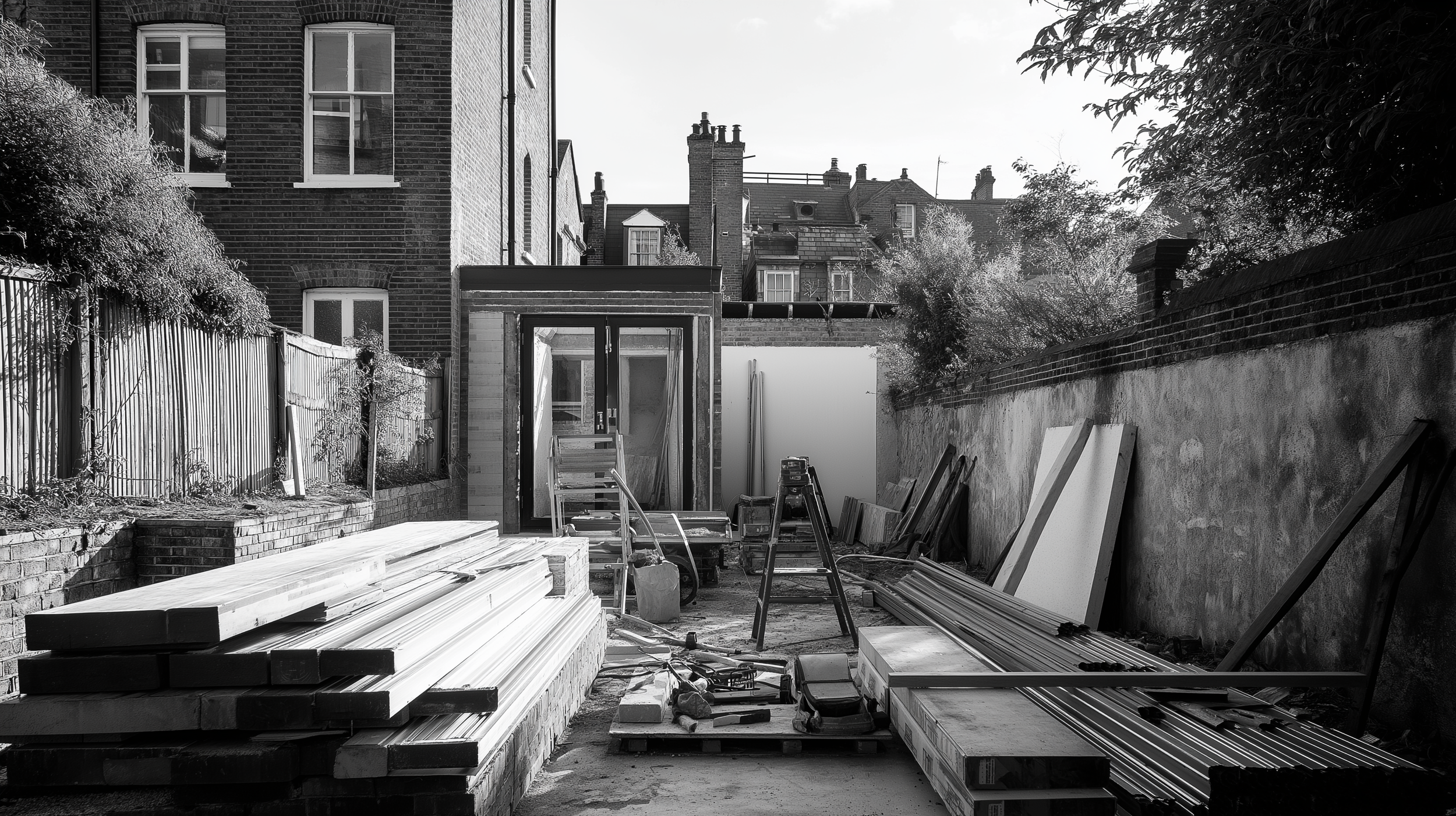
Delays feel personal to homeowners, yet they are baked into the nature of construction. Even the most competent teams experience slowdowns because renovations are a complex interplay of people, materials and dependencies.
Delays are the one part of construction that almost every homeowner encounters. Even the most diligent project manager cannot guarantee a perfectly smooth timeline. Renovations contain too many interdependent components, too many variables, and too many human and physical limitations to behave like a controlled laboratory process. Understanding why delays occur — even in good, well-managed projects — helps homeowners interpret setbacks more realistically and with far less frustration.
The first misconception is the belief that construction is linear. Homeowners often imagine a neat sequence of tasks: demolition, structure, first fix, plastering, second fix and decoration. In practice, construction behaves more like a web. Each task depends on several others, and slight shifts in one area ripple outward across the entire programme. A missing piece of ductwork can delay the electrician; a late steel delivery can postpone floor levelling; an unresolved structural question can pause half a dozen subsequent trades.
Material supply adds another layer of unpredictability. Domestic renovations rely on global supply chains that move at their own pace. A porcelain tile sourced from Italy or Spain may be delayed at customs. British timber suppliers may be waiting on stock due to overseas shortages or transport issues. Even items as mundane as screws or adhesive sometimes face distribution delays. Most homeowners never see this part of the process — they simply experience the resulting slowdown on site.
“Delays are not usually signs of mismanagement, they are signs of complexity.”
Trade availability is another misunderstood reality. Builders do not keep every specialist permanently on-site. They assemble subcontractors whose calendars are planned weeks or months in advance. If one part of your project shifts, those subcontractors cannot always shift with it. A two-day delay may cause a two-week realignment simply because the relevant trade has moved on to another job.
Even weather, something completely outside human control, affects timelines more than people realise. Rain delays roofing and external brickwork, harsh cold slows plaster curing, and extreme humidity disrupts adhesives. Construction materials respond to the environment whether deadlines permit or not.
These factors create a simple but counter-intuitive truth: delays are not usually signs of mismanagement. They are evidence of the physical, interconnected, imperfect nature of building. The more homeowners understand this, the less surprising delays feel and the more trust they maintain in the process.
A well-run project does not eliminate delays; it manages them. It communicates early, adjusts expectations and integrates changes into the broader sequence. That distinction makes all the difference.